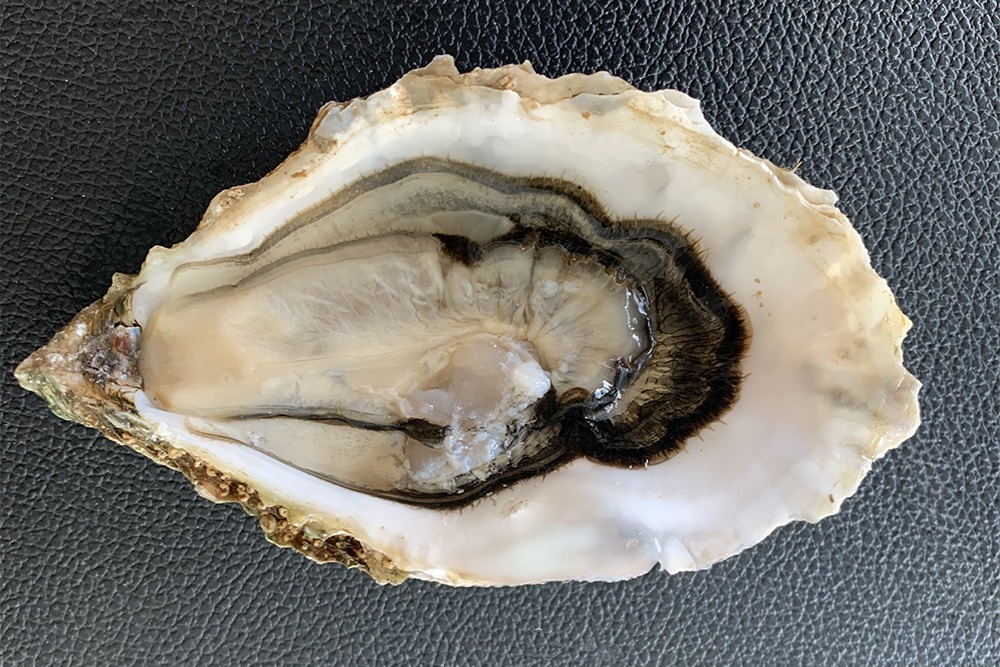
Our Creuse oysters
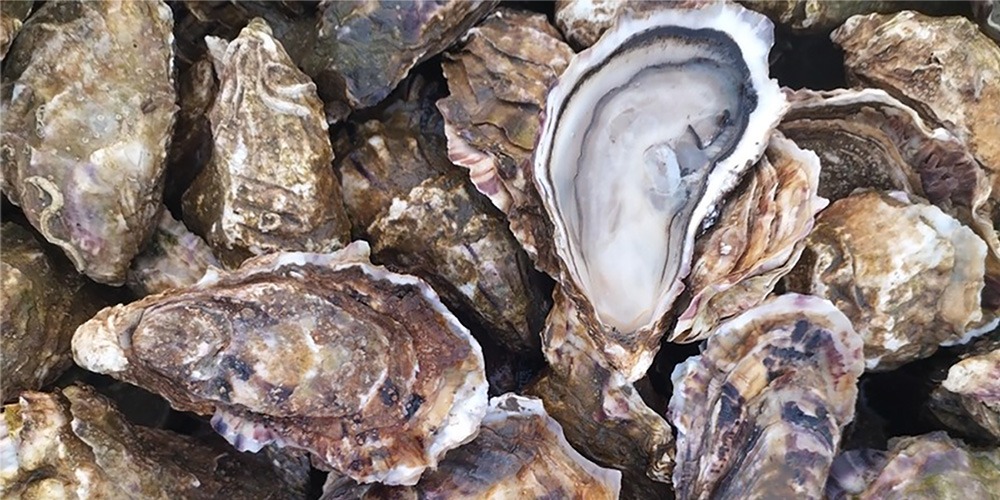
The history of the hollow oyster of the Ria d'Etel
The oyster was reportedly raised for the first time in the Ria of Etel by a grove (island of groix, off the coast hosting the Ria of Etel) in 1890, Vincent Tonnerre. As you can see, Jean-Pierre's oysters, at least his grandfather, were among the first oyster growers on the Ria in the early 1920s.
The Ria d'Etel is an inland sea of 22 km2 with upstream arms entering up to 15 km into the land towards Locoal-Mendon, Nostang, Landevant. Jean-Pierre's construction site is close to the intersection between the two arms of Nostang and Landevant, in Saint Helena, the first parks were located near.
The violent currents, particularly near the Lorois Bridge and the displaced water masses, at each tide every 6 hours, are important. This sea arm is also known for its sandbar, which more or less obstructs, according to the weather, the mouth on the Ocean, making its access difficult, between Etel and Plouhinec, communes that border it on both sides.
This terroir, between land and sea, generates an oyster of great character, in its image, combining sweetness and iodine. Farmed and fleshy, full of marine flavours, the oyster is balanced and appreciated.
Today, some 40 farms, all artisanal, raise oysters on the Ria d'Etel, 1 of the 12 Breton crus listed.
Different sizes of the hollow oyster
Size 1
The biggest number, (weight from 111g to 150g) this meaty oyster, tasteful, lends itself well to culinary preparations, hot or tartare, see our recipes on our blog.
Size 2
This size n°2 (weight from 86g to 110g ) can be eaten raw natural, it presents a mixture of salinity, diode and hazelnut taste due to the generous proportion of flesh, it is the favorite number of the « oyster eaters », or be cooked, gratin.
Size 3
It is the most commonly consumed number, this average oyster (weight 66g to 85g), balanced in iodine and mache, is clearer than the number 2 while being fleshy, with seasons varying to more or less flesh.
Size 4
The smallest and clearest oyster (weight from 46g to 65g), it is low fleshy and is often the most consumed by neophytes, for a first discovery of oysters.
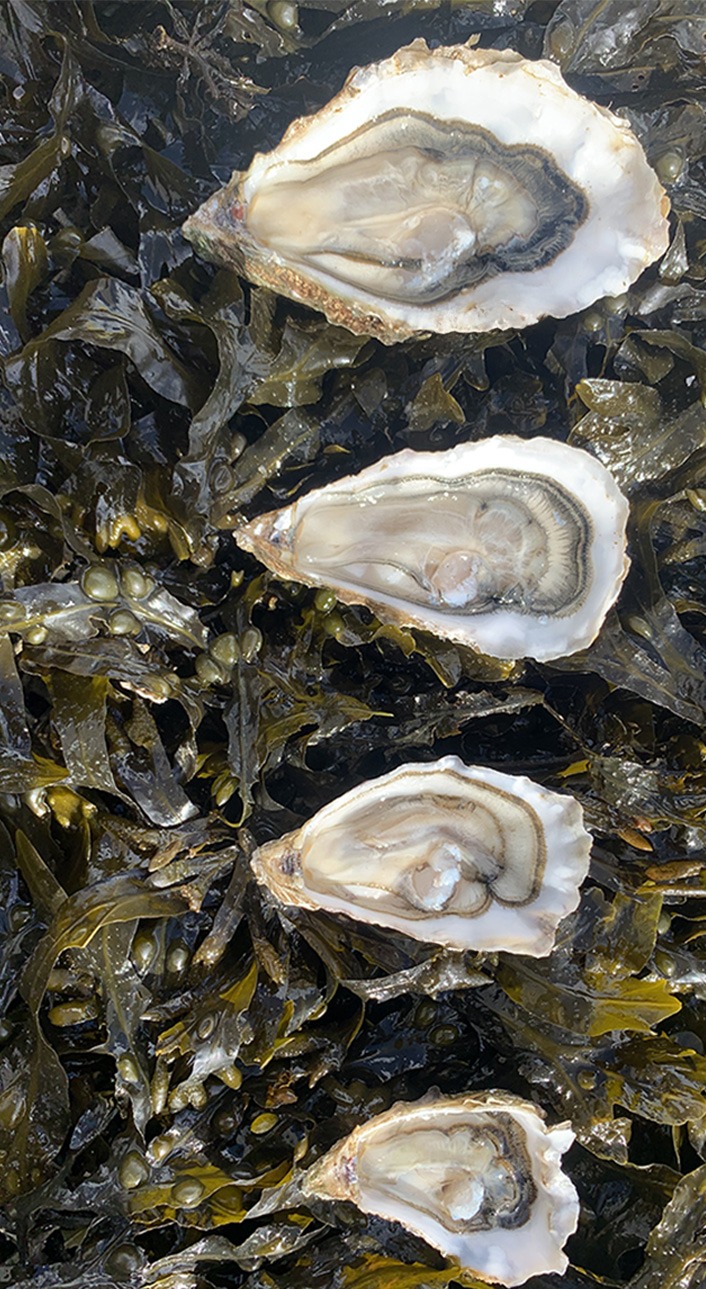
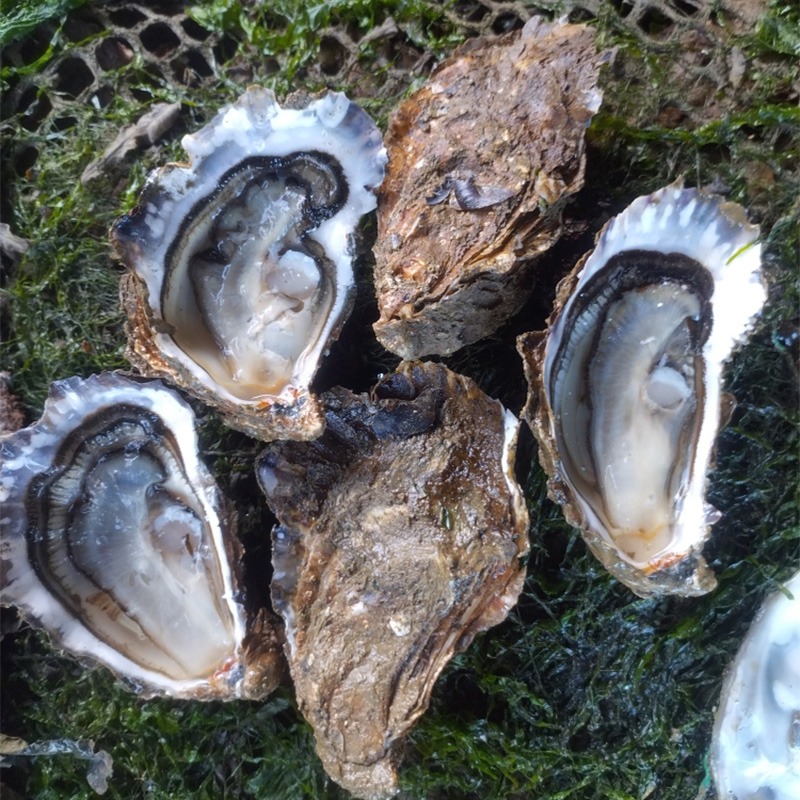
Trio Outeres de Jean-Pierre sur parc
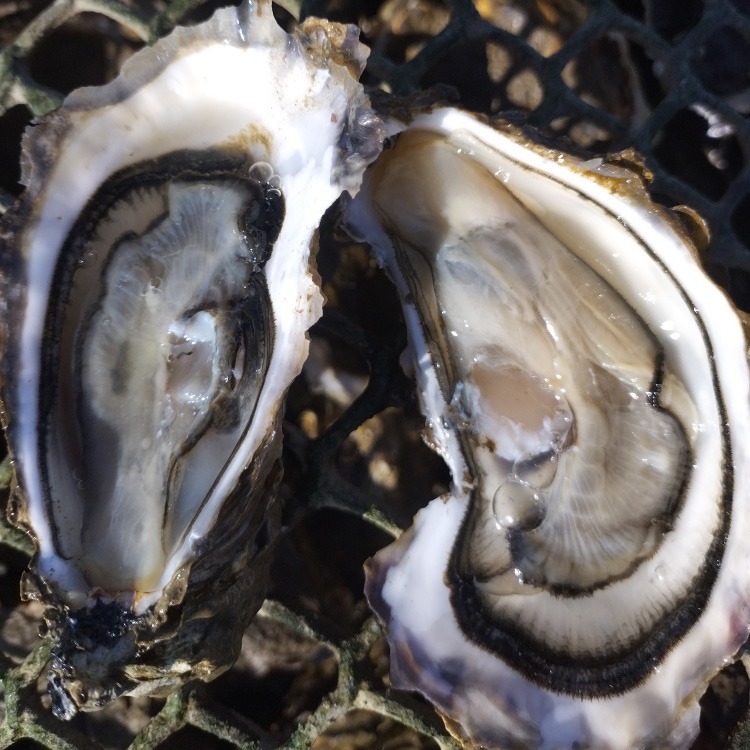
Duo oysters on the tide pocket
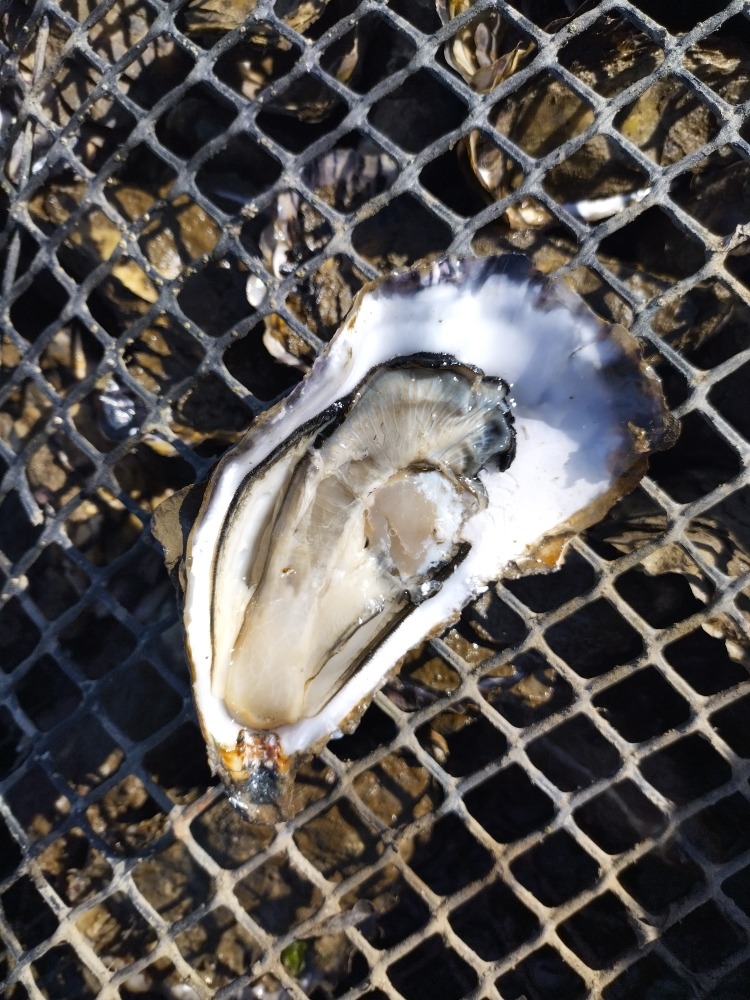
Oyster open to the park
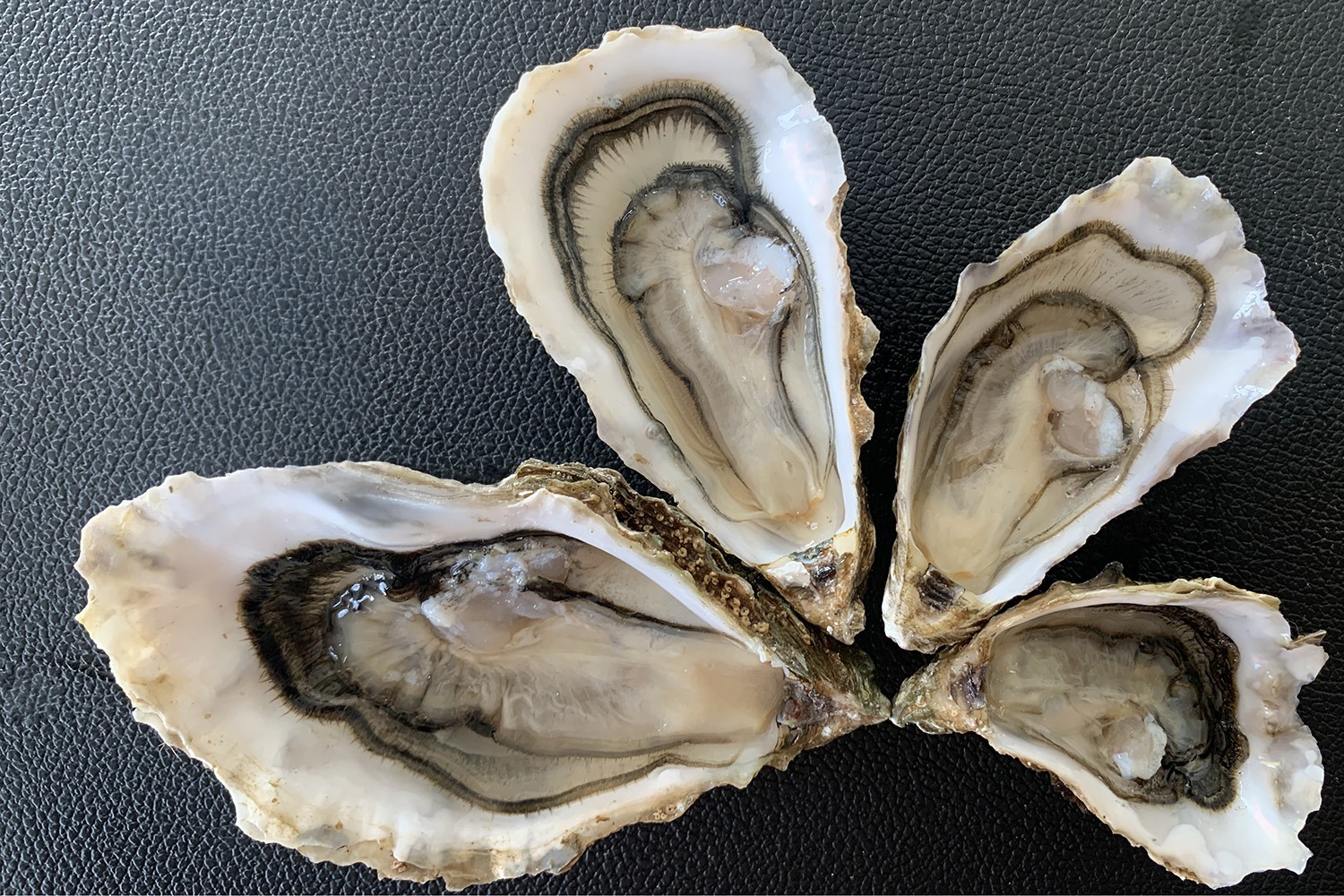
Size eightres jean stone from #1 to 4
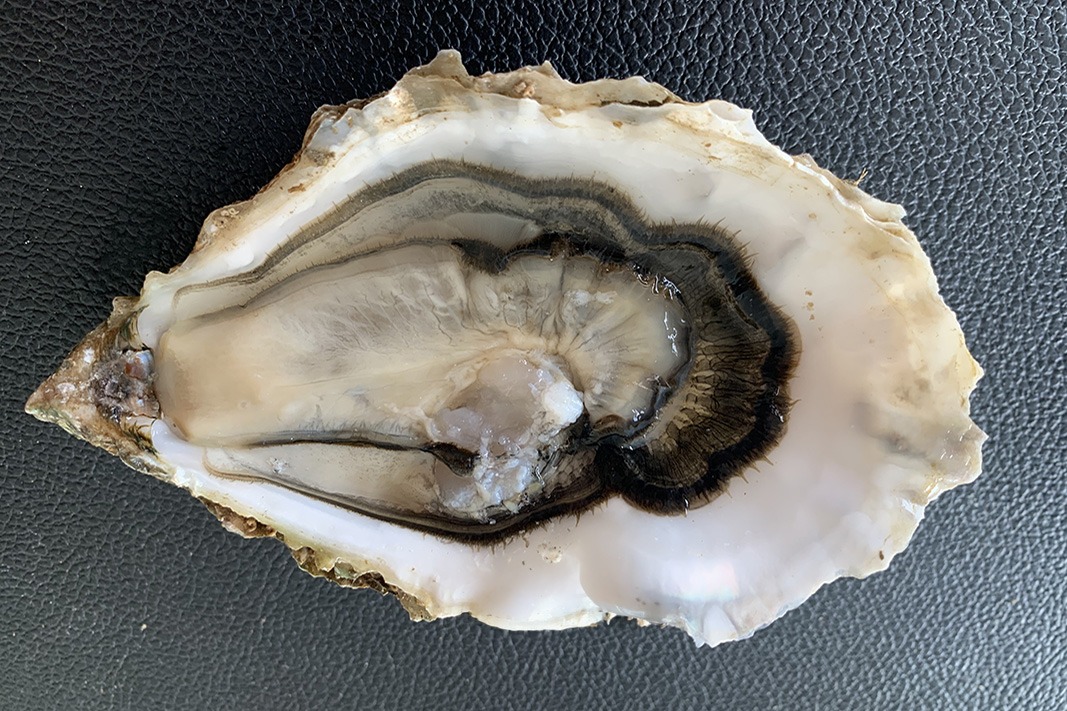
Eighth n°1 Jean Pierre Ria Etel
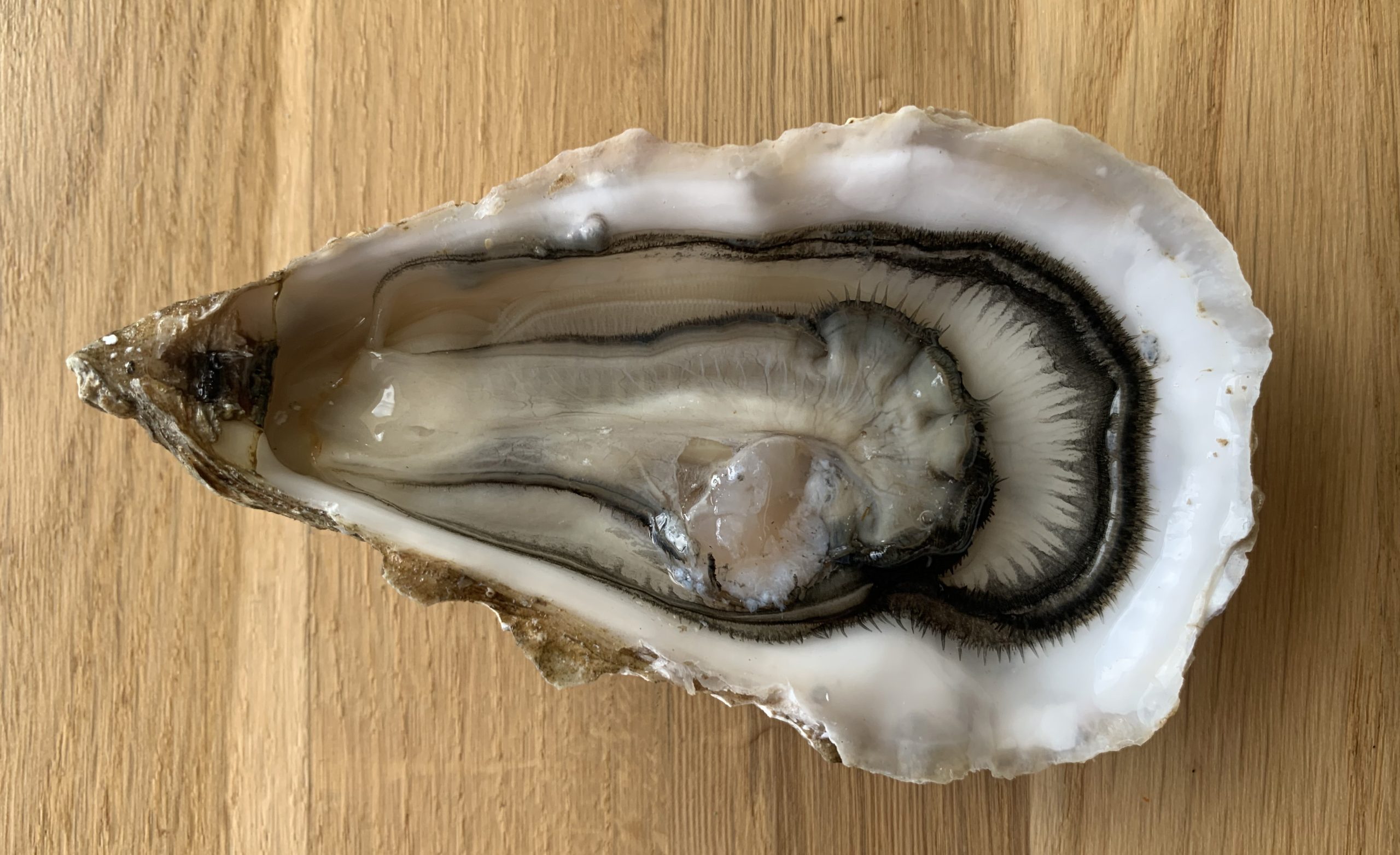
Eighth point 2
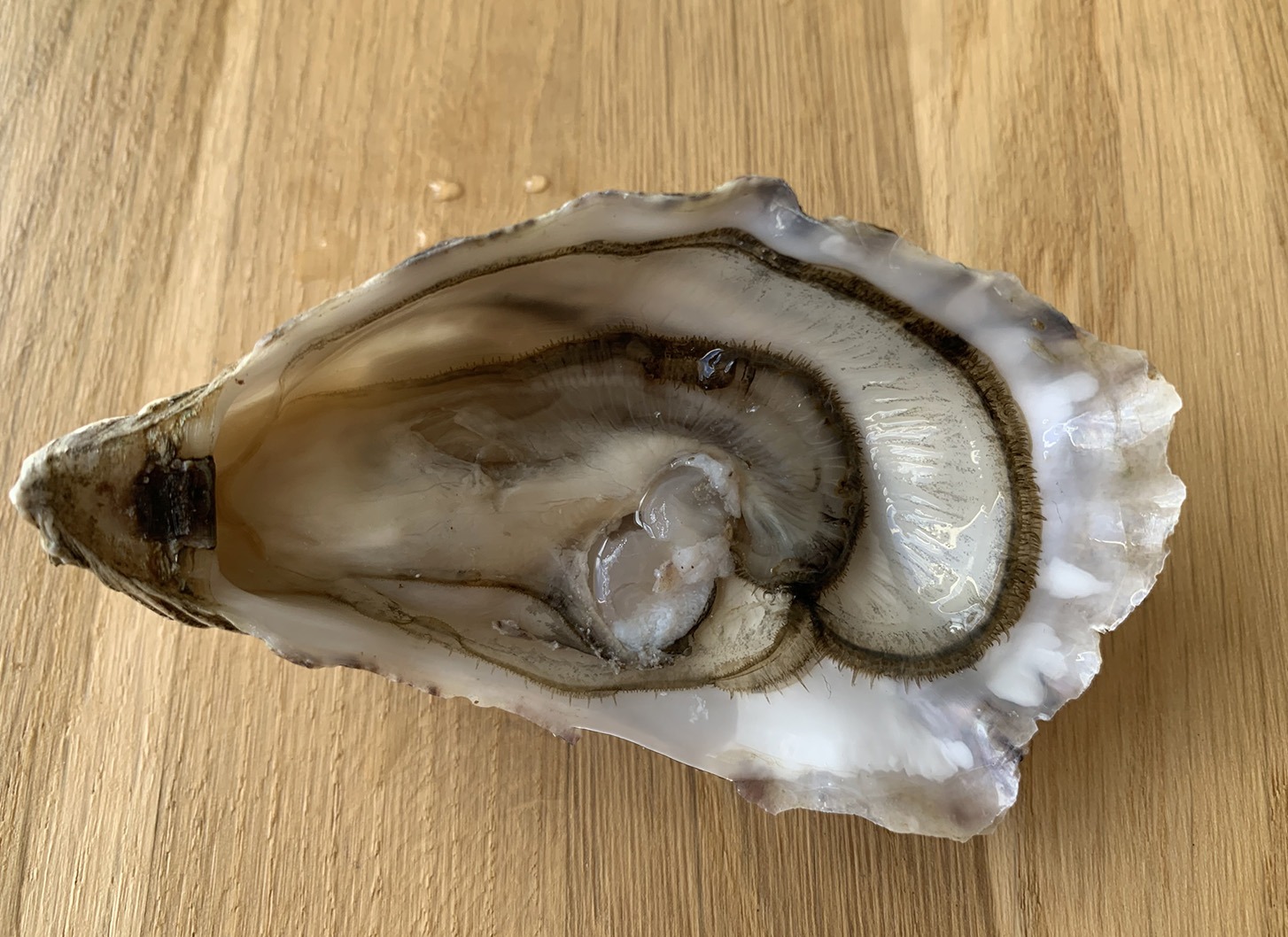
Eighth No. 3
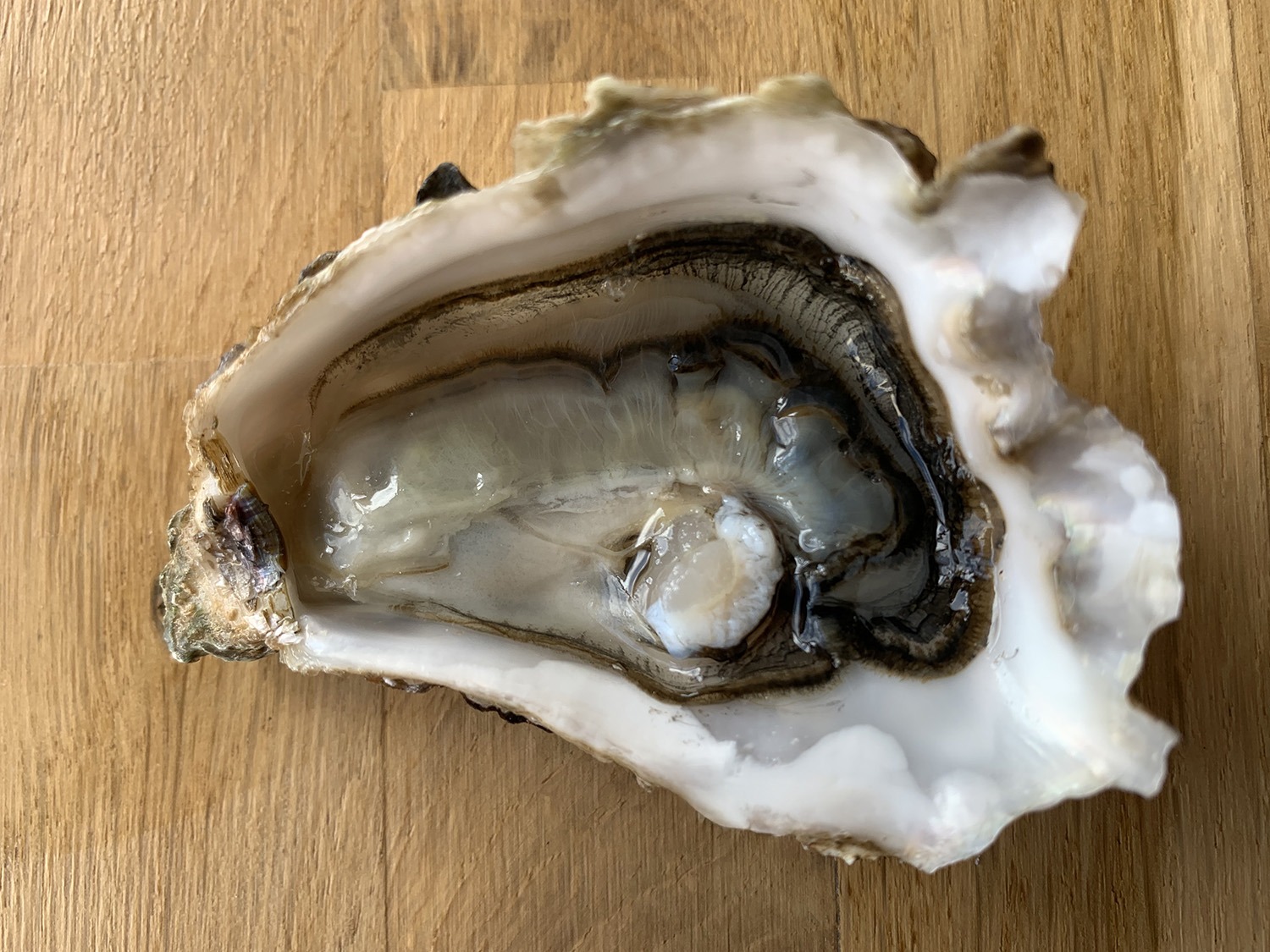
Eighth point 4
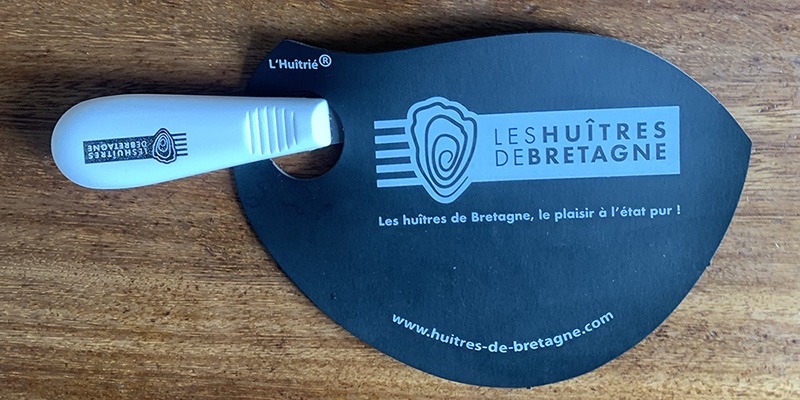
Protects hands and knife CRC Brittany
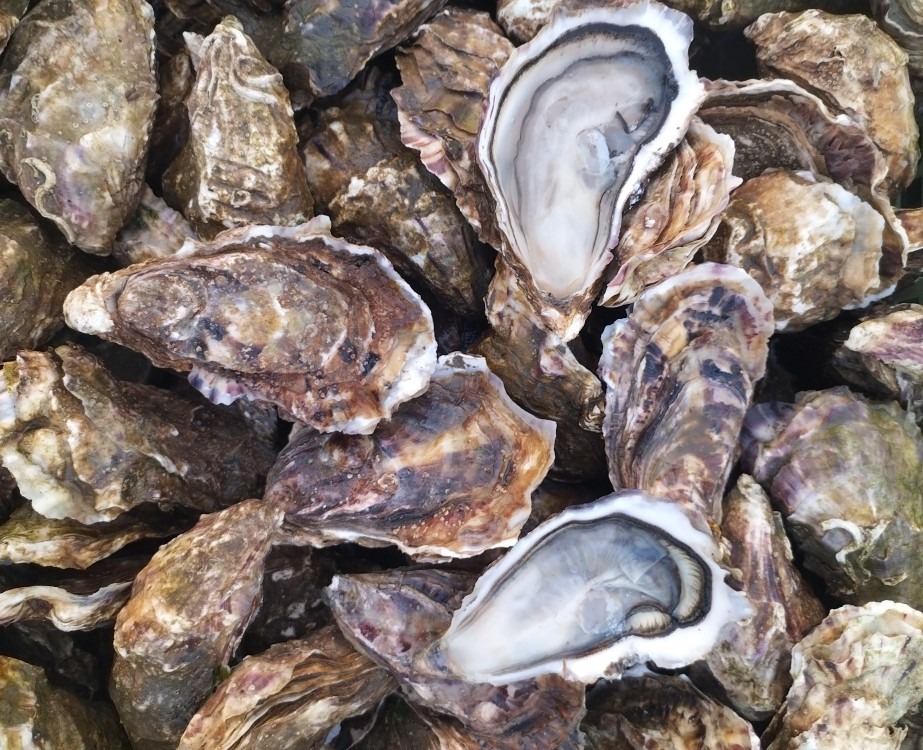
Eight hollows of Jean-Pierre
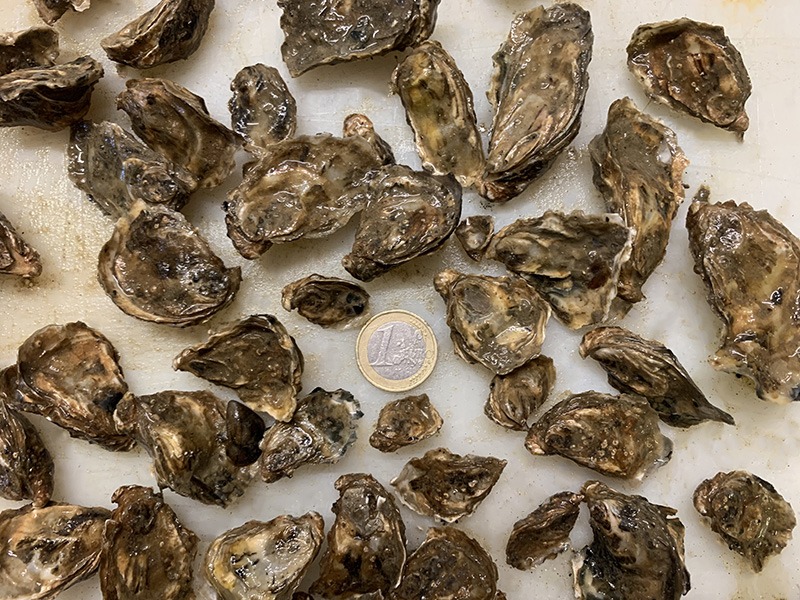
Various eights 18 months
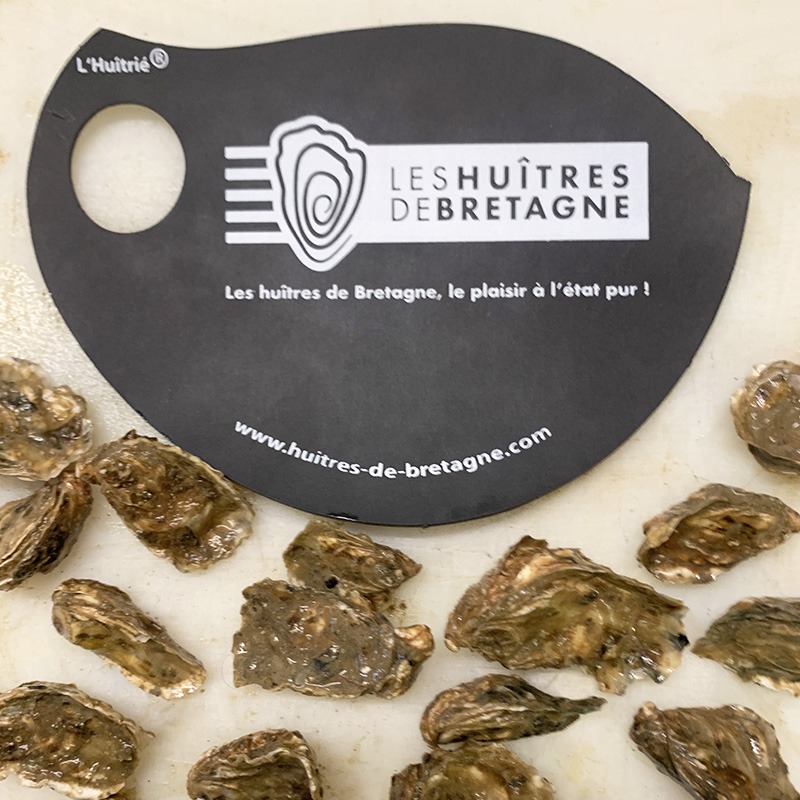
Eighties 18 months + protects hands
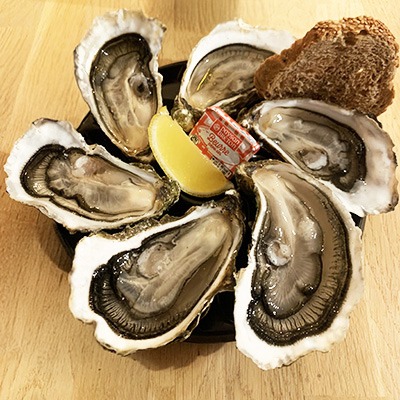
Base plate