The Oyster Plates "Belon"
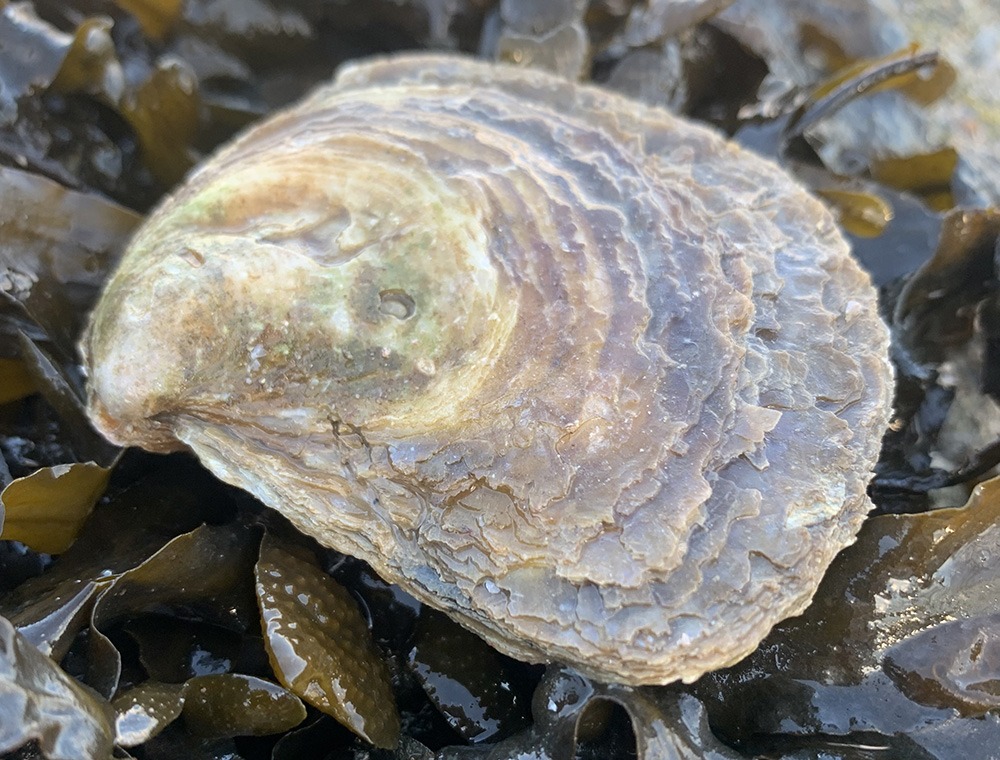
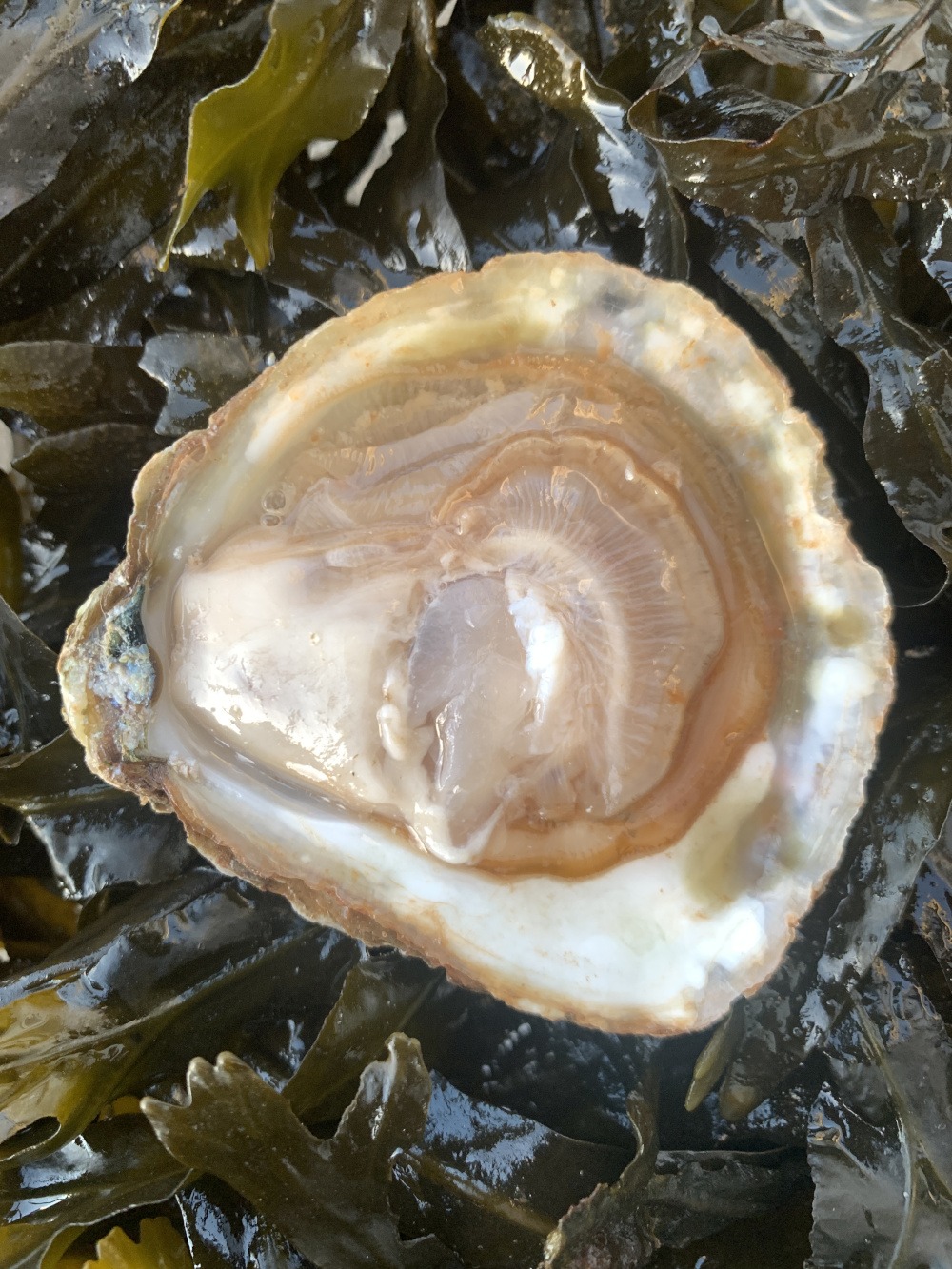
The story of the flat oyster "belon"
Origins: there are shells dating back to prehistoric times, but the Chinese are the first breeders, on bamboo piles planted in the sea floor. The Romans are very fond of it and one of them, Sergio ORATA in the 1st century BC manages to fix oyster larvae and thus control the entire life cycle of oysters, the first oyster parks were born. In the Middle Ages, oysters are consumed by wealthy urban families as well as by the poor in production areas. During the Renaissance, many oyster merchants traded in Paris and consumption increased. From the 18th century onwards, production-collection increased considerably to meet growing demand. At that time, only flat oysters were found in France.
Resource Management: The shortage peaked and as early as 1750, periods of temporary ban on oyster fishing were created, followed by special authorizations to exploit the public maritime domain.
The beginning of breeding: In 1854, De Bon, Commissioner for Fisheries, invented a collection floor system on oyster banks during the spawning period and managed to collect the seed. In the same year, naturalist Victor Coste studied the capture and rearing of the seed, the first oyster farms were born in Arcachon and in the Bay of St Brieuc. The establishment of oyster culture on the Atlantic coast was born.
Today: Very few places today or still born Oysters « Belon » of the name of the ria in the South Finistère where they came most often from the 20th Century. Today Quiberon Bay retains a natural capture of this ancient oyster strain where we supply. Some oyster farmers are trying to reintroduce it on the Ria d'Etel but this production remains very fragile and marginal.
A different strain of hollow oyster, it has a rounded shape with a relatively small nut but with a characteristic hazelnut taste which makes it its success. Produced in much smaller proportions than the hollow oyster which supplanted it, it is also more expensive to buy.
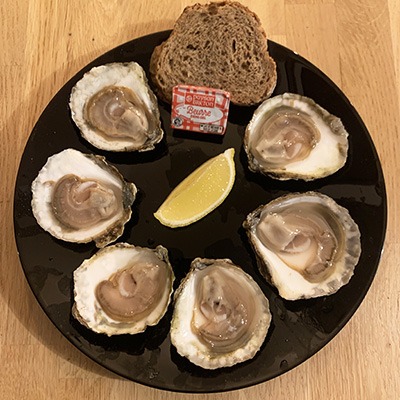
Plate plate
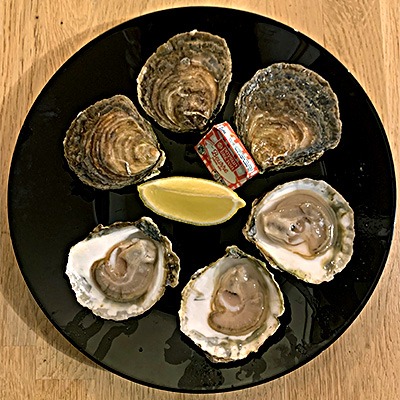
Eight Open Plates Closed
Eighth Belon flat